



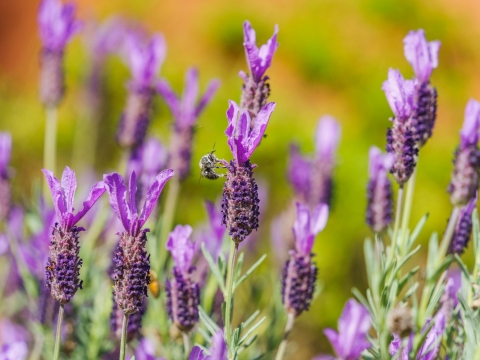
Lavender flowers are known for their distinctive purple color and soothing, fragrant aroma. This plant is not only used as a garden ornament but is also frequently incorporated into aromatherapy products, perfumes, and body care products. Its aroma, which is synonymous with relaxation, makes lavender quite popular in everyday life.
In addition to its attractive appearance, the lavender flower also contains a number of natural compounds that have been studied for their potential health benefits. Some studies suggest that the use of lavender essential oil may help reduce anxiety and improve sleep quality, although further research is still needed.
So, what are the benefits of lavender, and how can you use it? Here’s an explanation.
Getting to Know Lavender
Lavender is a flowering plant of the genus Lavandula native to the Mediterranean region. It has small flowers that grow in clusters on long stems, typically ranging in color from purple and bluish-purple to pink and white.
One of the distinctive characteristics of lavender is its soft, distinctive aroma. This aroma comes from the essential oils found in various parts of the plant, particularly the flowers. Lavender oil is widely used in aromatherapy, perfumes, soaps, and various personal care products.
Lavender can also be used in the form of fresh or dried flowers. Dried flowers are typically used as room fresheners, in potpourri blends, or as decorations because they retain their distinctive scent.
Active Compounds in Lavender Flowers
Lavender flowers contain various natural compounds that give them their characteristic aroma and are the subject of research regarding their potential health benefits.
Some of the compounds found in lavender essential oil include:
- Linalool: An aromatic compound that gives lavender its distinctive scent and has been extensively studied for its relaxing effects.
- Linalyl acetate: A major component of lavender oil that contributes to its floral and delicate aroma.
- Lavandulol: A monoterpene alcohol found in lavender essential oil.
- Terpinen-4-ol: A natural compound also found in various types of essential oils.
The composition of these compounds may vary depending on the lavender species, growing conditions, and processing methods. Therefore, the benefits identified in studies of essential oils may not always be comparable to the benefits of using fresh or dried lavender flowers.
7 Health Benefits of Lavender
Lavender has long been used in various body care and relaxation traditions. As research has advanced, a number of its potential benefits have begun to be studied more closely, particularly those related to its aroma and essential oil.
Here are some interesting health benefits of lavender worth knowing.
1. Helps Reduce Stress and Anxiety
One of the most well-known benefits of lavender is its potential to help reduce stress and anxiety. The scent of lavender is often used in aromatherapy to create a calmer and more comfortable atmosphere.
Some studies suggest that inhaling the scent of lavender essential oil may help lower anxiety levels. Aromatic compounds such as linalool are thought to play a role in this effect.
However, research results remain inconsistent and are not yet sufficient to establish lavender as a substitute for medical treatment of anxiety disorders.
2. Helps Improve Sleep Quality
The scent of lavender is often associated with more restful sleep. Its use in aromatherapy can be part of a bedtime routine, such as inhaling an appropriate amount of lavender essential oil.
Several studies in adults suggest the potential for improved sleep quality through lavender aromatherapy. However, these results still need to be confirmed through studies using more robust methodologies.
Lavender can be used to promote relaxation, but it is not a cure for insomnia or other sleep disorders.
3. Provides a Relaxing Effect
The distinctive scent of lavender flowers can help create a more relaxed atmosphere. It’s no wonder this plant is often found in spa products, massage oils, aromatherapy candles, and air fresheners.
Inhaling the scent of lavender while resting or engaging in relaxing activities can be one way to create a more comfortable environment.
The relaxing effects experienced by each person may vary, depending on individual scent preferences and circumstances.
4. May Help Relieve Discomfort
The use of lavender essential oil in aromatherapy massage has also been studied for its potential to help reduce certain types of physical discomfort.
In several studies, massage using lavender oil has shown potential in helping to reduce the perception of pain. However, it remains unclear whether this effect stems from the lavender’s properties, the massage technique, or a combination of both.
Therefore, lavender should not be considered a substitute for pain relievers or medical treatment.
5. Helps Create a More Comforting Atmosphere
The scent of flowers can influence a person’s experience of a room. Lavender has a gentle floral scent, so it’s often used to create a more comforting atmosphere.
Using lavender-scented products while resting, reading a book, or engaging in relaxing activities can help create a pleasant experience.
However, its effects are best understood as a response to the scent and the surrounding environment, rather than as a treatment for depression or mood disorders.
6. Part of a Self-Care Routine
Lavender is widely used as an ingredient in soaps, lotions, massage oils, and other body care products. Its distinctive scent makes this plant a popular choice for self-care routines.
Using products containing lavender can provide a pleasant sensory experience, especially when used during a bath or for relaxation after a busy day.
However, products containing lavender should still be chosen based on individual skin conditions, as lavender oil can trigger allergic reactions in some people.
7. Helps Create a More Comfortable Environment
In addition to being used in aromatherapy, lavender flowers are also attractive as decorative elements. Their purple color and shape can add a natural touch to a room.
Dried lavender flowers, for example, can be placed in a vase or used as table decorations. Meanwhile, potted lavender plants can be a great choice for beautifying a garden or areas of the home that receive ample sunlight.
A well-organized and pleasant environment can support daily activities and create a space for more comfortable rest.
How to Use Lavender Flowers in Everyday Life
There are several ways to enjoy the characteristics of lavender flowers, both in terms of their scent and appearance. The method chosen can be tailored to the user’s needs and intended purpose.
1. Using Lavender Essential Oil
Lavender essential oil is one of the most widely used forms of lavender in aromatherapy. It can be used in a diffuser according to the product instructions.
Be sure to use the essential oil according to the instructions. Avoid ingesting essential oil or applying it directly to the skin without proper dilution.
2. Using Dried Lavender Flowers
Dried lavender flowers can be placed in small cloth bags or open containers as a natural air freshener. This is a practical way to bring the distinctive scent of lavender into your bedroom, closet, or workspace.
In addition, dried lavender flowers can also be used as a decorative element that adds a natural and elegant touch.
3. Growing Lavender as an Ornamental Plant
Lavender can be grown in pots or directly in the garden. This plant generally prefers ample sunlight and well-drained soil.
To care for it, place the plant in a spot that receives direct sunlight for several hours each day. Avoid overwatering, as soil that is too damp can hinder root growth.
Things to Keep in Mind Before Using Lavender
Although lavender is commonly used in aromatherapy and body care products, it should still be used wisely.
Here are some things to keep in mind:
- Be aware of allergic reactions: Products containing lavender may cause irritation or allergic reactions in some people, especially when applied to the skin.
- Use essential oils properly: Do not ingest essential oils directly. For topical use, follow the product’s dilution and application instructions.
- Be aware of interactions with medications: Lavender may interact with medications or herbal supplements that have sedative effects. Consult a healthcare professional if you are currently undergoing medical treatment.
- Pregnant and breastfeeding women should exercise caution: Information regarding the safety of using lavender products during pregnancy and breastfeeding is still limited.
- Do not substitute for medical treatment: Lavender is not a substitute for medication or therapy to treat illnesses or health conditions.
The Meaning of Lavender Flowers as a Gift
In addition to being known for their scent, lavender flowers also hold interesting symbolic meanings. In various interpretations of flowers, lavender is often associated with tranquility, grace, sincerity, and elegance.
Its purple hue conveys a sense of both softness and luxury, making it a perfect inspiration for floral arrangements for various occasions.
Flowers with lavender tones can be a great gift choice to convey care, congratulations, or expressions of affection. Combining purple with white, pink, or cream-colored flowers can also create a harmonious arrangement.
Conclusion
Lavender flowers are not only attractive for their purple color but also have a distinctive aroma that makes them popular in aromatherapy and various personal care products. Several studies suggest that lavender essential oil may help reduce anxiety and improve sleep quality, although the scientific evidence is still limited.
In addition to being used for relaxation, lavender can also be used as dried flowers, ornamental plants, or interior decor elements. These characteristics make it appealing for a variety of purposes, ranging from self-care to beautifying the home environment.
If you’re looking to give a gift with an elegant floral arrangement, Orchid Florist offers the “Lavender Cascade”—a boxed flower arrangement featuring a blend of carefully selected flowers, perfect for showing your loved ones how much you care.