



The language of flowers (floriography) is a symbolic system for conveying feelings through the type and color of flowers without words—for example, red roses for love, white lilies for quiet respect, or sunflowers for happiness. In short, the meaning of a flower is determined by a combination of its type, color, and the context of the moment when it is given.
Have you ever stood in front of a flower display for a long time, unsure which one best represents your feelings? You know you want to give flowers, but you’re hesitant—are red roses too over-the-top for a simple “thank you”? Are chrysanthemums appropriate for a birthday gift, or do they carry another meaning you’re not aware of?
You’re not alone. Behind every petal lies a language that humans have long used to convey things that are sometimes hard to put into words. Once you understand that language, choosing flowers is no longer about which ones are the prettiest, but which ones are most appropriate for the moment and the feelings you want to express.
This article is a comprehensive flower dictionary—a summary of the meanings of various types of flowers, along with a guide to choosing them based on the occasion—so that every bouquet you send truly speaks for you and represents who you are.
What Is the Language of Flowers (Floriography)?
Floriography, or more commonly known as the language of flowers, is the tradition of assigning symbolic meanings to specific types and colors of flowers, so that a bouquet can “speak” without the need for a lengthy greeting card. This practice is most widely known from the Victorian era in England, when social norms at the time prevented people from freely expressing their feelings openly. Flowers thus became intermediaries: each type, color, and even the way they were arranged was believed to convey a distinct message.
Note: The history of Victorian-era floriography has been extensively documented in various historical sources and horticultural literature. This historical information is general in nature and does not constitute a claim made by Orchid Florist.
Although the social context has changed significantly, the custom of interpreting flowers in this way lives on today. We may no longer arrange bouquets as “secret letters,” but instinctively we still choose red roses for love, white flowers for a serene atmosphere, or sunflowers for something cheerful. The language of flowers is that legacy, and recognizing it helps us give more thoughtfully and meaningfully.
A Cross-Species Dictionary of Flower Meanings
Here is a summary of the meanings of some of the most commonly chosen types of flowers for various occasions, complete with variations in meaning based on their colors.
Roses
Roses are the most universal symbol of love, but their actual meaning varies significantly depending on their color. Red roses symbolize deep love and passion—a classic choice for couples. White roses convey a purer, calmer vibe and are often associated with sincerity or respect. Yellow roses speak to the warmth of friendship, while soft pink roses are often used to express gratitude and admiration.
Orchids
Orchids are known as flowers that symbolize elegance, luxury, and quiet strength. Purple orchids are commonly associated with grace and admiration; white orchids with purity and elegant beauty; while yellow or orange orchids are more closely linked to friendship and respect. Because of their luxurious yet elegant appeal, orchids are often chosen for formal occasions or as a gesture of respect.
Lilies
Lilies carry a wide range of meanings depending on the context, ranging from purity and new hope to quiet respect. White lilies, in particular, are often chosen for solemn and respectful occasions, while lilies in brighter colors tend to convey a sense of hope and new beginnings.
Tulip
The tulip is widely recognized as a symbol of perfect and sincere love. Red tulips convey a message of deep love, while yellow tulips are generally seen as a symbol of joy and warmth; white tulips, on the other hand, symbolize an apology or sincere respect.
Chrysanthemum
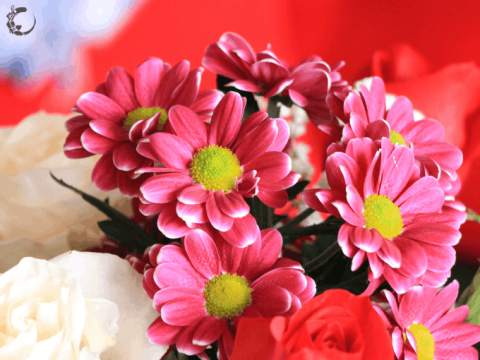
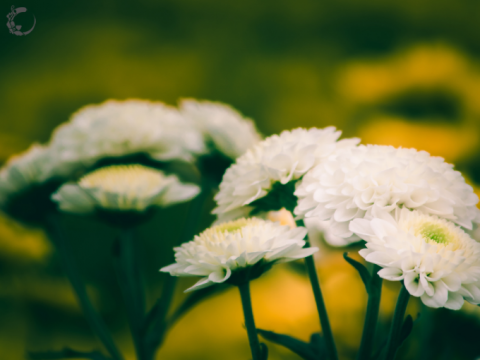
The chrysanthemum has a rather unique meaning, as it varies across cultures. In some Western cultures, chrysanthemums symbolize joy, longevity, and admiration, and are often used to convey congratulations. However, in some Asian and European cultures, chrysanthemums (especially white ones) are more closely associated with mourning. Because of these differing meanings, it’s important to consider the context and local customs when choosing chrysanthemums as a gift.
Sunflowers
Sunflowers symbolize happiness, loyalty, and a positive spirit. Their large blooms and bright colors make them a popular choice for celebrating achievements or simply sending encouragement to someone in need of a boost.
Hydrangea
Hydrangeas symbolize sincere gratitude and a deep understanding between the giver and the recipient. Their lush clusters of petals are also often interpreted as a symbol of generosity and genuine emotion, making them perfect for moments when you want to express personal thanks.
Jasmine
Although not as popular as other flowers on this list, jasmine holds a special place, particularly in Indonesian culture, symbolizing purity, simplicity, and sincerity. Its delicate fragrance often associates jasmine with peaceful moments rich in personal meaning.
Note: The meanings of the colors and types of flowers listed above follow general conventions widely used in cross-cultural floristry traditions. These meanings may vary slightly depending on the region or specific beliefs, so it’s always a good idea to adapt them to the recipient’s context.
The Language of Flowers Based on Occasions
Once you’ve learned the meaning of each flower, the next step is to match them to the occasion you want to celebrate or express.
- Love and romance. This is the most classic realm of the language of flowers: red roses for deep love, tulips for sincere love, or a combination of both for a more personal touch. If you’re looking for a way to express your feelings, the Love collection could be the perfect starting point.
- Birthdays. This occasion calls for cheerful and warm energy—sunflowers, pink roses, or a combination of bright colors usually work best. Explore more options in the Birthday collection.
- Birth. To welcome a new family member, lilies or pastel-colored arrangements symbolizing hope and a fresh start make for a heartfelt choice. Check out the options in the Birth collection.
- Graduation and Achievements. Proud moments like graduation are best celebrated with sunflowers or orchids, which symbolize enthusiasm, pride, and recognition of the hard work that has been put in. The Graduation Flowers collection is specially designed for this occasion.
- Get Well Soon. For someone who isn’t feeling well, choose flowers in soft, soothing shades and avoid colors or arrangements that are too busy. Delicate lilies or hydrangeas are usually the perfect choice. The Get Well Soon collection features arrangements with soothing tones.
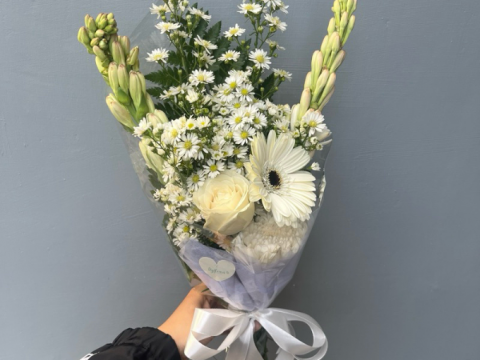
- Condolences. This is the occasion that requires the most sensitivity when choosing flowers. White flowers such as white lilies, white chrysanthemums, or white orchids are generally chosen because they symbolize quiet and sincere respect. Avoid bright colors or arrangements that appear too busy. You can find suitable options in the Condolences collection.
- Corporate and formal events. For floral boards or corporate arrangements, orchids and chrysanthemums are often chosen for their elegant and professional appeal. Ensuring the right symbolism is crucial here to guarantee the arrangement reflects the image the company wishes to convey. You’ll find a complete selection in the Floral Board collection.
Why Understanding the Language of Flowers Is Important When Giving Flowers
There are several reasons why understanding the meaning behind flowers is important:
- First: every moment carries a different emotional nuance. Flowers to celebrate a friend’s graduation certainly don’t convey the same sentiment as flowers to comfort someone who is grieving. Understanding the language of flowers helps you ensure that nuance is conveyed accurately, not misplaced.
- Second: flowers chosen for their meaning feel much more personal. There’s a difference between “just buying a bouquet from the display case” and “choosing these flowers because their colors symbolize what I want to convey to you.” The recipient might not immediately grasp the specifics of the symbolism, but they’ll sense that the choice was made with care.
- Third: understanding the meaning of flowers helps you avoid unintended mistakes, especially during sensitive moments. Choosing the wrong type or color of flower for a specific situation can cause the message to come across differently than you intended.
This is where this comprehensive flower dictionary comes in handy as a quick reference before you decide which flowers to send.
Conclusion
The language of flowers reminds us that giving flowers isn’t just about their beauty—it’s also about the message we want to convey, a message that’s sometimes hard to put into words. By understanding the meaning behind each type and color of flower, you can choose an arrangement that truly represents your feelings, no matter what moment you’re celebrating or going through.
If you already have an idea of the feelings or moment you want to convey, it’s time to find the perfect arrangement. Browse Orchid Florist’s collection by occasion to find the flowers that best represent your moment, or check out the collection based on your favorite flower types.